
December 12, 2025
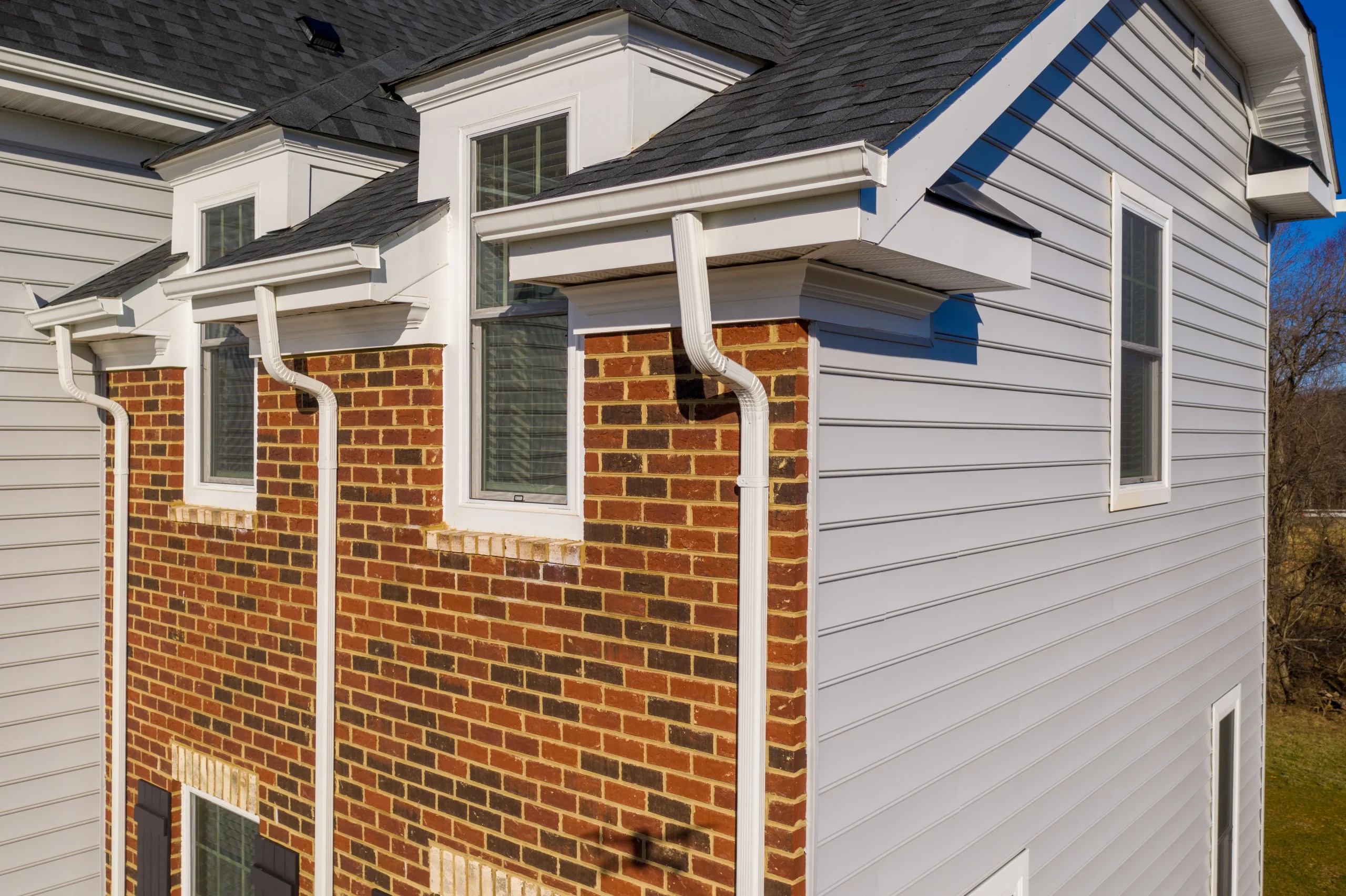
Downspout Gutter Installation – The Ultimate Guide for Homeowners Who Want Real Protection
Water management is one of the most underestimated aspects of home protection. While roofs and walls get most of the attention, it is the drainage system that quietly decides whether your home stays dry and structurally sound for decades. In this guide, you’ll learn why proper installation matters, what elements are crucial, and how to avoid the most common mistakes.
Why Proper Water Drainage Is So Important
Rainwater seems harmless, but unmanaged water is one of the most destructive forces affecting buildings.
When water is not guided away correctly, it:
-
Weakens foundations
-
Causes basement flooding
-
Leads to mold and mildew
-
Damages siding and paint
-
Erodes soil around the home
Over time, small leaks turn into serious structural issues. A good drainage system works silently in the background, preventing long-term damage before it starts.
Key Elements of a Reliable Gutter System
A well-functioning system is built from several components that must work together perfectly. Missing even one detail can reduce performance.
Gutters: The First Line of Defense
Gutters collect water from the roof and guide it toward the downspouts. Their size, shape, and slope determine how efficiently water flows. If they are too small, overflow becomes inevitable during heavy rain.
Downspouts: Directing Water Away
Downspouts carry water from the gutters to the ground. Their placement is critical. Water should be released far enough from the foundation to prevent pooling and soil saturation.
Extensions and Drainage Outlets
Extensions, splash blocks, or underground drains ensure that water travels safely away from the building. This is especially important in areas with heavy rainfall or clay soil that absorbs water slowly.
Choosing the Right Materials
Material choice affects both durability and appearance. Each option offers unique benefits.
Aluminum
Lightweight, rust-resistant, and affordable. It is the most popular choice for residential homes and performs well in most climates.
Steel
Extremely durable and strong, but more prone to corrosion if not properly coated. Best suited for areas with extreme weather.
Copper
A premium option known for its longevity and elegant appearance. It is more expensive but can last several decades with minimal maintenance.
Common Installation Mistakes to Avoid
Even high-quality materials won’t perform well if installed incorrectly. These errors are more common than most homeowners realize.
Incorrect Slope
Without the proper slope, water will sit in the gutters instead of flowing smoothly. Standing water leads to corrosion, overflow, and cold-weather freezing.
Poor Fastening
Weak or widely spaced brackets cause sagging over time. This results in leaks, uneven water flow, and eventual system failure.
Improper Downspout Placement
If downspouts are positioned too close to the foundation or discharge water directly at the base of the house, the risk of moisture damage increases dramatically.
Maintenance: The Key to Long-Term Performance
Even the best installation requires routine care. Neglecting maintenance is one of the fastest ways to shorten the life of your system.
Seasonal Cleaning
Leaves, twigs, and debris should be removed at least twice a year—typically in spring and fall. Blockages prevent proper water flow and cause overflow.
Gutter Guards: Are They Worth It?
Gutter guards reduce the amount of debris entering the system. While they don’t eliminate cleaning completely, they significantly lower maintenance needs and help prevent clogs.
Inspections After Storms
Heavy rainfall, strong winds, or snowstorms can loosen fasteners or bend components. A quick inspection after extreme weather can prevent small issues from becoming major problems.
Professional Installation vs DIY
Many homeowners are tempted to handle installation on their own to save money. While this may work for minor repairs, full system installation is far more complex.
Benefits of Professional Installation
-
Precise slope calculation
-
Correct placement of all components
-
Secure fastening and sealing
-
Adaptation to local climate conditions
-
Compliance with building standards
A professional installer ensures that your system performs efficiently under real weather conditions, not just on sunny days.
When DIY Might Be Reasonable
Simple tasks like cleaning, replacing a short section, or installing basic extensions can often be handled by homeowners with the right tools and safety precautions.
Climate Matters More Than You Think
Not all homes face the same weather challenges.
-
Heavy rainfall areas require larger-capacity systems and more downspouts.
-
Cold climates need solutions that prevent ice buildup and freezing damage.
-
Hot, dry regions still need proper drainage to handle sudden storms and protect foundations from soil movement.
A system designed for local conditions always performs better than a generic setup.
How a Good System Adds Value to Your Home
Beyond protection, a well-maintained drainage system increases your home’s market value. Buyers look for properties with solid foundations and no signs of moisture damage. Clean, modern-looking gutters also improve curb appeal and give the impression of a well-cared-for home.
From a financial standpoint, this is one of the smartest preventive investments you can make. The cost of proper installation is minimal compared to foundation repairs, mold remediation, or structural reconstruction.
Final Thoughts
A home’s drainage system may not be the most exciting feature, but it is one of the most essential. When properly designed, installed, and maintained, it works quietly to protect your roof, walls, foundation, and landscape every time it rains.
By paying attention to materials, placement, maintenance, and professional standards, homeowners can avoid many of the most common and expensive water-related problems. In the end, what looks like a simple network of metal channels is actually one of your home’s strongest lines of defense.
