
How Many Gutter Downspouts Do I Need? A Comprehensive Guide
When it comes to protecting your home from water damage, a well-designed gutter system is crucial. One of the key components of this system is the downspout, which channels rainwater away from your home’s foundation. But how many gutter downspouts do you need? This is a common question among homeowners looking to maintain, upgrade, or replace their gutter systems. Whether you’re considering a new gutter installation near you or simply evaluating your current setup, in this blog post, we’ll explore the factors that determine the number of downspouts required and offer some practical guidelines to help you make an informed decision.
Understanding the Basics
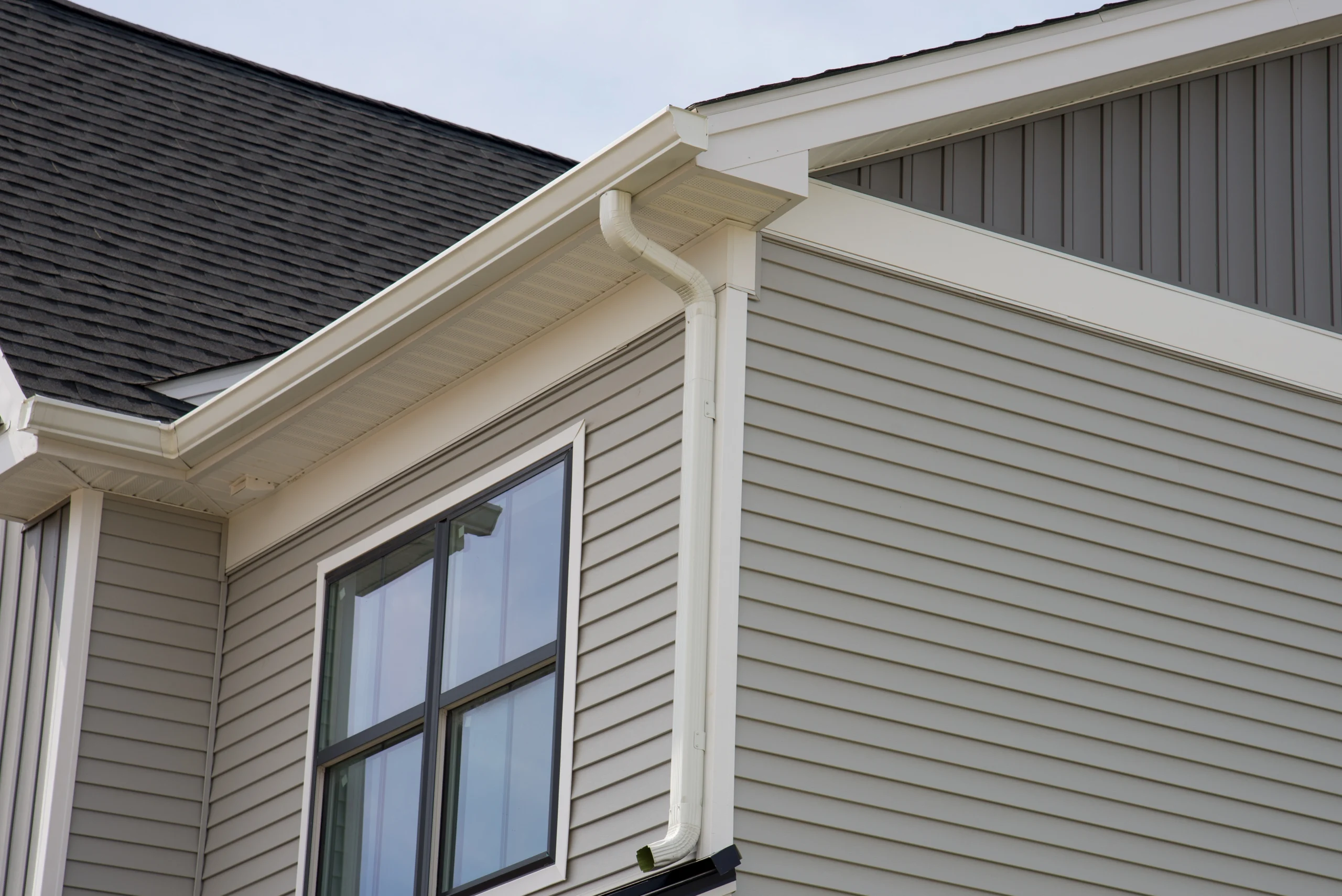
Downspouts play a vital role in a gutter system. They are vertical pipes that carry rainwater from the gutters to the ground level, directing it away from the foundation of your home. Properly placed downspouts help prevent water damage to your basement, walls, and landscaping. To determine how many downspouts you need, consider the following factors:
Roof Area
The size of your roof is the primary factor in determining the number of downspouts. A larger roof collects more rainwater, which needs to be efficiently managed. Generally, one downspout is recommended for every 600 to 800 square feet of roof area. For example, if your roof area is 2,400 square feet, you would need three to four downspouts to handle the rainwater effectively.
Roof Slope
The slope of your roof also impacts water flow. Steeper roofs tend to channel water more quickly into the gutters, which can overwhelm a limited number of downspouts. If your roof has a steep pitch, you may need to install additional downspouts to manage the increased water flow.
Gutter Capacity
Different types of gutters have varying capacities for holding and transporting water. Standard 5-inch gutters are common in many homes, but 6-inch gutters are available for areas with heavy rainfall. If you have larger gutters, you might need fewer downspouts since each downspout can handle more water. Conversely, smaller gutters may require more downspouts to prevent overflow.
Local Climate
Your local climate and average rainfall are crucial considerations. Homes in regions with heavy rainfall will require more downspouts to handle the increased volume of water. It’s essential to factor in seasonal variations and potential extreme weather events when planning your gutter system.
Gutter Placement
The placement of gutters around your home also affects the number of downspouts needed. Ensure that downspouts are strategically placed at the corners and low points of your roofline. Additionally, consider any obstacles such as landscaping, driveways, or walkways that might influence the positioning of downspouts.
Practical Guidelines
Calculate Roof Area: Measure the total square footage of your roof. Divide this number by 600 to 800 to determine the base number of downspouts required.
Assess Roof Slope: If your roof is steep, consider adding extra downspouts to handle the faster water flow.
Evaluate Gutter Size: Match your downspout needs to the capacity of your gutters. Larger gutters can mean fewer downspouts.
Consider Climate: Adjust the number of downspouts based on your area’s average rainfall and climate conditions.
Plan Placement: Strategically position downspouts to maximize efficiency and ensure proper drainage away from your home’s foundation.
Gutter Installation and Replacement
When undertaking gutter replacement or gutter installation near you, it’s important to consider these factors to ensure a properly functioning system. Professional installers can help assess your specific needs and recommend the appropriate number of downspouts for your home. Whether you’re installing new gutters or replacing old ones, proper planning and placement of downspouts can save you from future water damage and maintenance issues.
